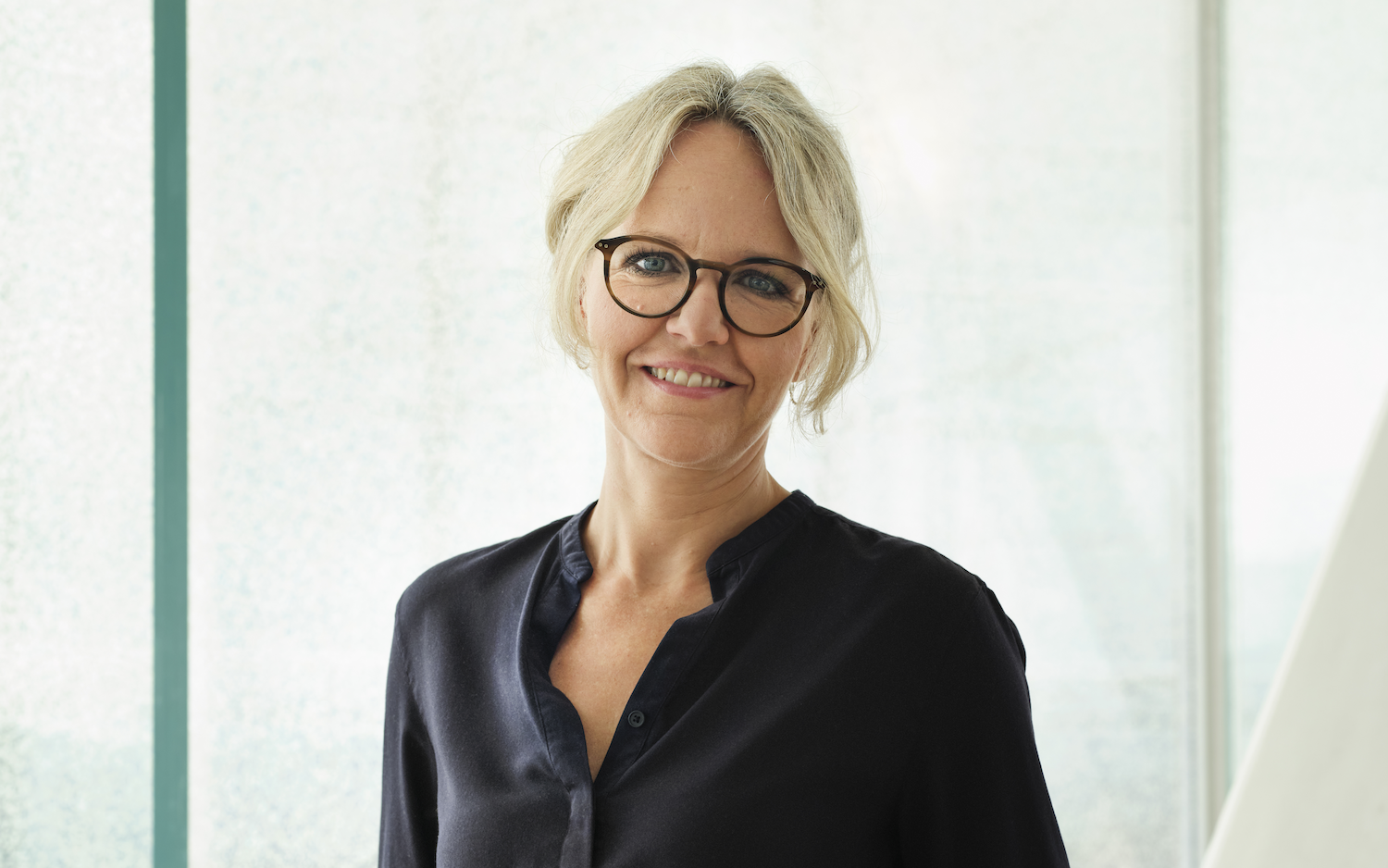
“Geothermal will not scale on its own, but through collaboration.”
- Erika Salmenvaara
As Europe accelerates its transition away from fossil-fueled heating, a promising market is gaining momentum: geothermal heat production and storage. With its decades of expertise in shallow well air hammer drilling and building an efficient ecosystem, Finland is uniquely positioned to thrive in this market.
“Geothermal will not scale on its own, but through collaboration. A key part of our operations is to share the expertise we’ve built over years and years so that more companies can profitably enter the market,” says QHeat’s CEO and Co-Founder Erika Salmenvaara.
With a number of successful projects under its belt, QHeat has gained valuable insights from the field. These reveal how Nordic shallow well drillers can expand their business into deep drilling for industrial scale projects, what barriers have to be overcome, and how the threshold to enter a new market can be lowered.
Proven in Finland, ready to scale across the Nordics
The bedrock in Finland and Sweden is one of the world’s toughest. Hard, abrasive, and fractured, it’s far from ideal for conventional rotary mud drilling methods. Meanwhile, the high adoption of ground-source heat pumps has created both demand for and expertise in air hammer drilling – something Finns excel in.
“The high heating demand and obvious value for heating have made Finland a unique hub for air hammer drilling competence. There’s little experience in air hammer drilling in crystalline formations that exhibit stable and homogenous lithological characteristics outside the Nordics, yet the demand grows,” Salmenvaara says.
“Over time, air hammer drilling has become highly cost-efficient. Today, the cost per meter is among the lowest in the world.”
- Harun Bitlis
What began as something niche has since grown into a globally competitive strength.
“Over time, air hammer drilling has become highly cost-efficient. Today, the cost per meter is among the lowest in the world,” says QHeat’s Drilling Manager Harun Bitlis.
This proven efficiency places Nordic drillers in a strong position as Europe aims to phase out non-renewable heating.
In Europe, the race to replace gas boilers and fossil-based district heating creates growing demand for scalable, reliable, and cost-effective renewable heat sources. With the right support, Nordic drillers can expand into a larger market: deep geothermal wells for industrial buildings, heat storage, and city-scale heating.
Equipment investments and process adaptations
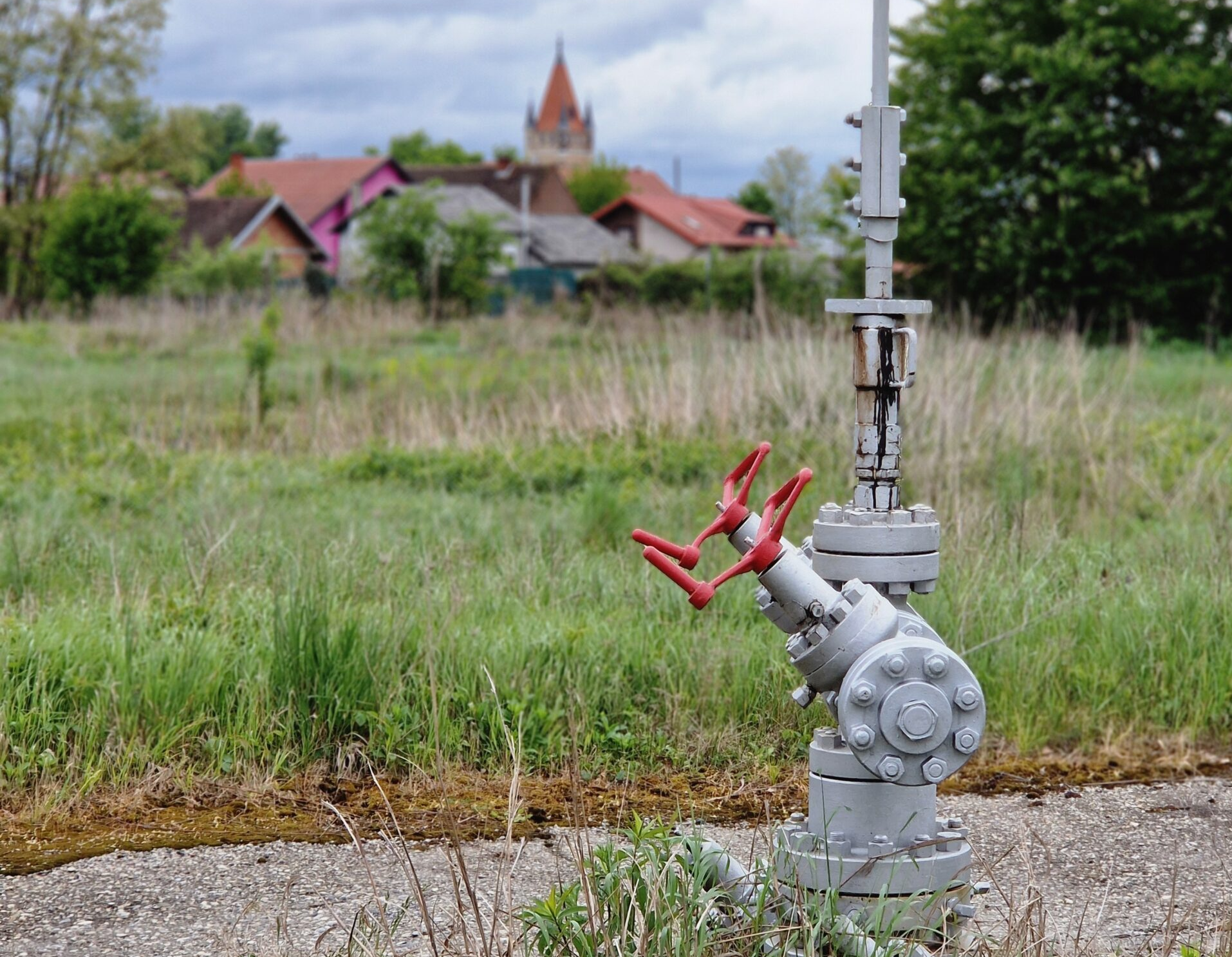
There are, however, barriers to entry into industrial-scale geothermal heating. The shift from drilling shallow 300-meter wells to drilling deep boreholes up to 2000 meters presents financial and operational hurdles.
“The skills are there, but conventional geothermal drillers need guidance on adapting equipment, enhancement of operational standard procedures, and recognising the business opportunity,” Bitlis says.
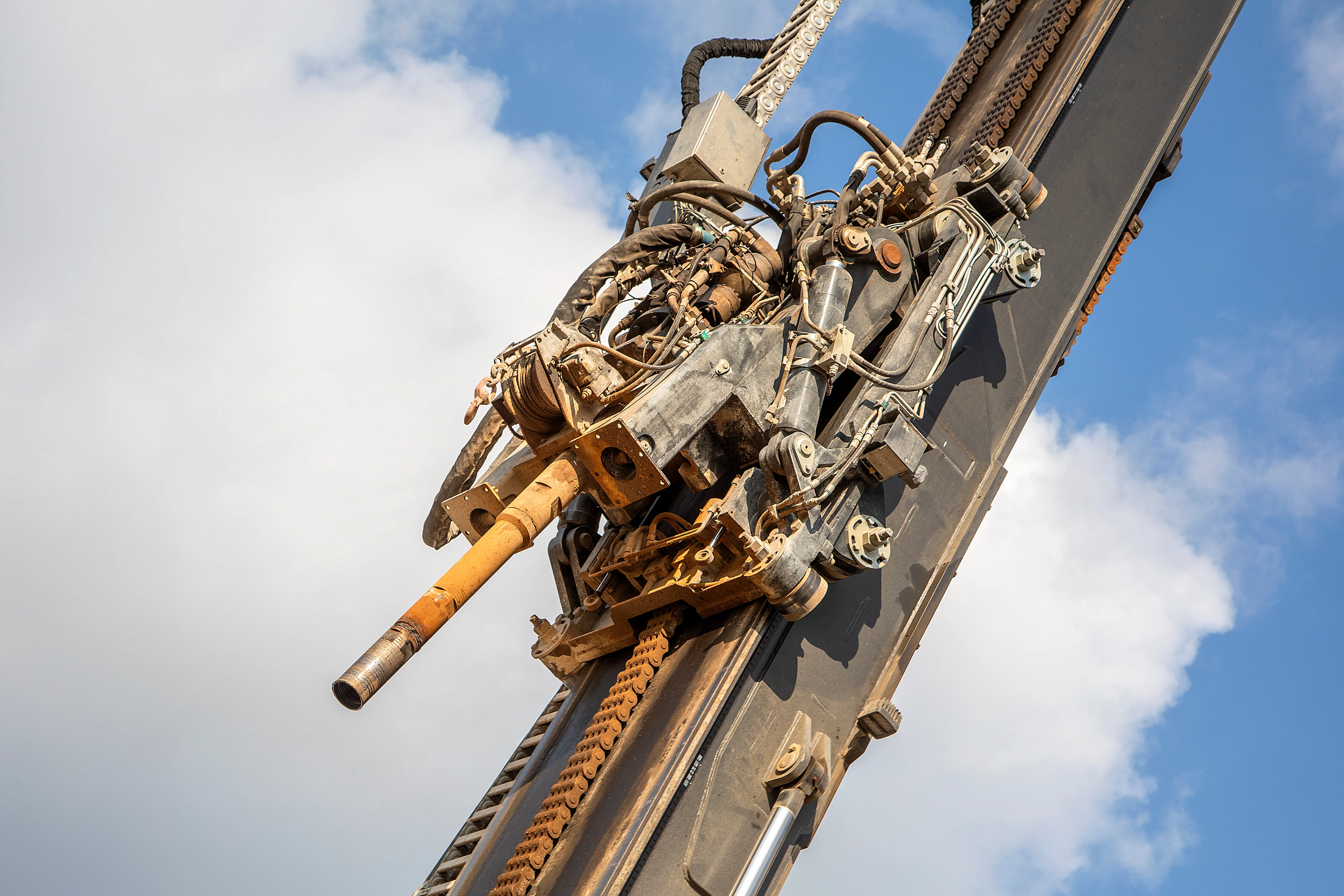
A main challenge is scaling the equipment. Investing in a large enough rig is a major decision, especially if there aren’t many confirmed projects in the pipeline yet. The investment is made more complex by long delivery times. Having already successfully tackled these challenges, QHeat can support in project sales as well as acquiring and operating equipment.
"The skills are there, but conventional geothermal drillers need guidance on adapting equipment, enhancement of operational standard procedures, and recognising the business opportunity." - Harun Bitlis
“Being able to predict upcoming projects is crucial in terms of equipment. You need to have the equipment before securing projects, not the other way round,” Bitlis says.
Without equipment in place, drillers risk missing out on opportunities and new business; with premature investments, they risk financial pressure.
Support, proven methods, and efficiency make deep drilling accessible and profitable
“We aim to share our expertise and key learnings with our partners so that they can avoid unnecessary risks and trial-and-error." - Erika Salmenvaara
QHeat’s experience from working with multiple rig types and drilling over 17 deep geothermal wells in the tough Finnish bedrock proves valuable in countless ways. Collaboration with equipment manufacturers, such as Geomachine, has been crucial in developing suitably large rigs for deep geothermal.
“We have operated various rig types in real projects, so we can offer drillers practical guidance on which investments best support deep geothermal work,” Bitlis says.
Additionally, QHeat’s own well designs can be revised based on what equipment the drilling company is working with. Alongside equipment expertise, QHeat advocates for knowledge transfer. Sharing lessons learned reduces partner companies’ early-stage risks – the ones QHeat itself had to navigate.
“We aim to share our expertise and key learnings with our partners so that they can avoid unnecessary risks and trial-and-error,” Salmenvaara says.
A cost-efficient system that adds value to both consumers and drillers
Geothermal is emerging as an attractive and cost-efficient alternative to other heating solutions. It offers value to both customers and drillers: competitive megawatt-hours for the former, new revenue potential for the latter.
“Geothermal lowers operational costs through heat pump efficiency,” says Erika Salmenvaara. However, traditional 300-meter wells require more land area than densely built environments can offer. This is where deeper, more efficiently operating heat wells step into the picture.
“One QHeat well, reaching down to 1500 meters, is comparable to the energy production of 30 to 40 300-meter wells, saving 97 percent of land use,” she continues.
Industrial-scale projects add significant value
For drillers, the scale of industrial deep geothermal projects is transformative. A single industrial site can be even a hundred times more valuable than a residential project, especially when multiple wells are involved. This shift unlocks entirely new business models and long-term customer relationships.
“Predictability is another major advantage. Unlike reservoir-based open-loop geothermal systems, QHeat’s closed-loop coaxial well design makes both capital expenditure and operating expenses highly predictable from the start, greatly improving investment certainty for customers,” Salmenvaara explains.
At a system level, geothermal reduces strain on electricity grids by lowering heat pump electricity consumption, she adds. This results in significantly avoided grid investments and makes geothermal a cost-efficient solution not only for customers but also for society as a whole.
A growing network of drillers powering the next phase of renewable heating
All the elements listed before – knowledge transfer, adaptable well designs, collaboration with key players in the field, and practical and engineering support – help build an efficient network of drillers prepared to drill deep.
“There is plenty of potential for Nordic expertise outside Finland. This brings export potential, not just local projects."
- Erika Salmenvaara
“There is plenty of potential for Nordic expertise outside Finland. This brings export potential, not just local projects,” Salmenvaara says.
Ultimately, the deep geothermal system can’t be scaled up without an ecosystem: the experts doing the work and sharing knowledge. When deep geothermal drilling expertise and niche Nordic know-how meet, geothermal heating can become one of the most common heat production methods in the world. Finland’s strong precedent in heating single-family homes proves that the momentum is real.