Challenge
Finnoo is a developing residential area in Espoo, Finland. It is estimated to become the home of 17,000 residents by 2030. The city of Espoo aims to make Finnoo a pioneer in sustainable urban construction driven by low-emission solutions.
The challenge was how to provide the densely built area with a heating and cooling system that met three key requirements: enable efficient electrification of heating, reduce emissions and energy costs, and support climate neutrality targets.
In addition, the system needed to be flexible enough to accommodate the growth of the area, allowing new buildings to be connected to the network over time.
Solution
Real estate developers Avara and TA-Asunnot Oy partnered with QHeat to build a local low-temperature heating and cooling network for Finnoo.
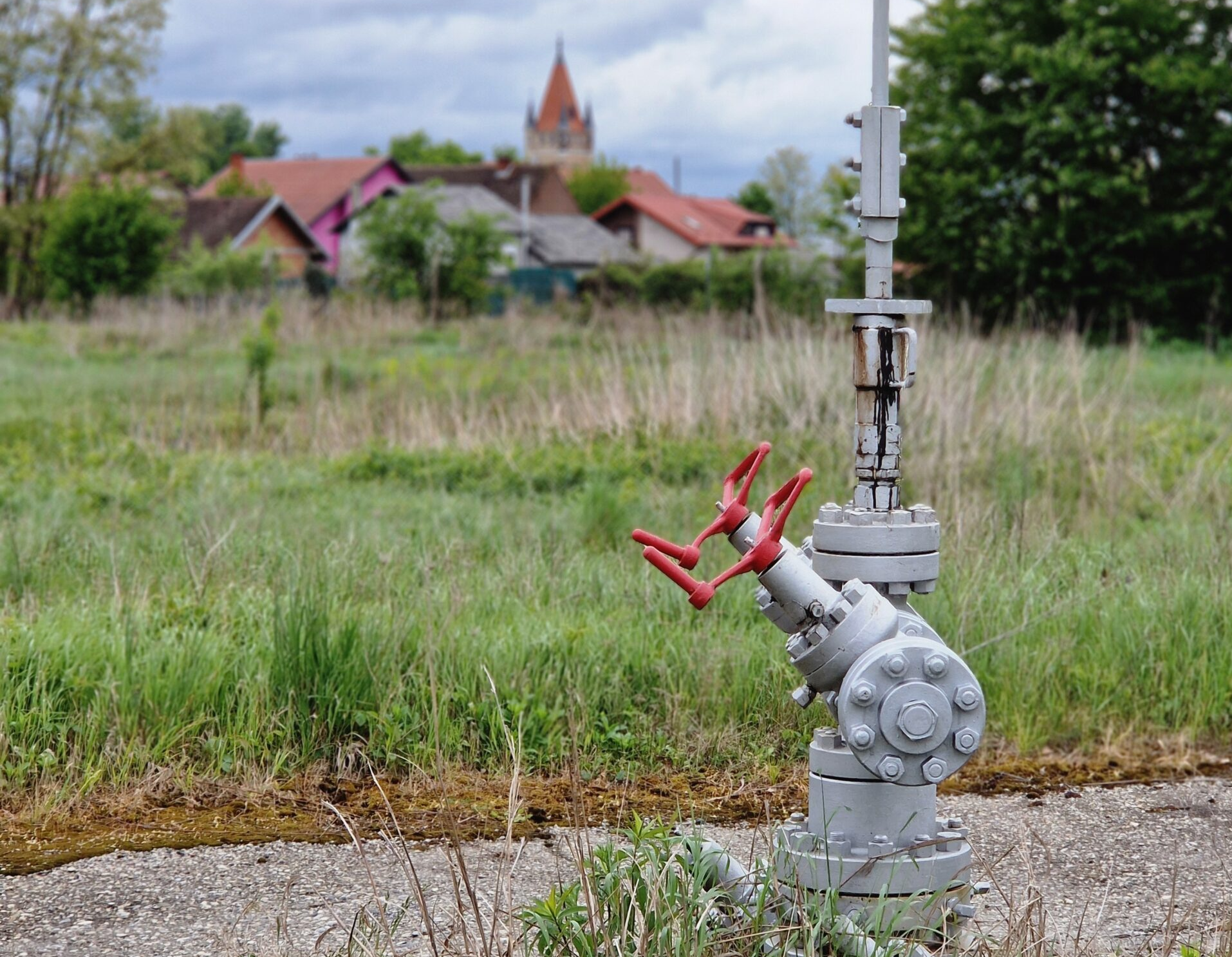
The system consists of three geothermal wells ranging from 535–1470 metres in depth and a heating centre equipped with a heat pump. It serves approximately 250 apartments in six buildings and covers a total area of 14,000 square metres. The modular design lets the system scale and adapt as Finnoo continues to develop.
QHeat designed and simulated the local energy system, drilled the boreholes, and now supervises the maintenance of the heat plant. The network runs at temperatures of 25–45 degrees Celsius, and heat is distributed between apartment buildings. Domestic hot water for each building is produced by a local heat pump.
Results
Finnoo now has a deep geothermal system that powers a 5th-generation low-temperature network – the first of its kind in Finland. The project provides a real operating example of how deep geothermal and low-temperature networks can deliver reliable heat production in urban Nordic conditions.
Three deep coaxial wells make it possible to use geothermal heat in a densely built urban area where traditional geothermal systems would not have been feasible. The amount of energy would have required around 80 traditional geothermal 300-metre deep wells, for which there simply wasn’t enough space on the site.
Finnoo’s low-temperature geothermal network delivers significant annual emission reductions, minimal environmental impact, and competitive costs. The heat pumps achieve a coefficient of performance (COP) of 5–7, reducing electricity demand compared to less efficient systems.
The system cuts emissions by 350 tCO2 annually, and the levelised cost of energy is estimated at approximately 60 € per MWh over a 25-year investment period. In comparison, district heating for the Finnoo site was estimated at 100 €/MWh.
Impact
Finnoo demonstrates how deep geothermal can enable efficient electrification of heating in densely built urban areas where traditional geothermal systems are difficult to implement.
By combining deep geothermal wells with a modular low-temperature network, the project shows how cities can reduce emissions while supporting long-term climate targets and future district development.
The modular network is designed to expand as the district grows: new buildings can be connected to the system over time. This supports the long-term development of the area while reducing the climate impact of housing and energy production.
"We want to show the way when it comes to sustainable solutions that do not rely on non-renewable energy sources. This new technology reduces the emissions resulting from properties’ energy consumption by up to 95%. This type of medium-depth heat well and associated local energy solution has not previously been realised in Finland."
– Tuomas Rantsi, COO & CDO and Partner at Avara
.png)