The geothermal assets Europe has: Could abandoned deep wells become the next heating infrastructure opportunity?
Thousands of abandoned oil and geothermal wells form an overlooked infrastructure in Europe, where the energy transition requires innovative solutions. This network of wells holds a hidden opportunity to reshape heat production and delivery across the continent.
Central Europe is brimming with underexplored potential.
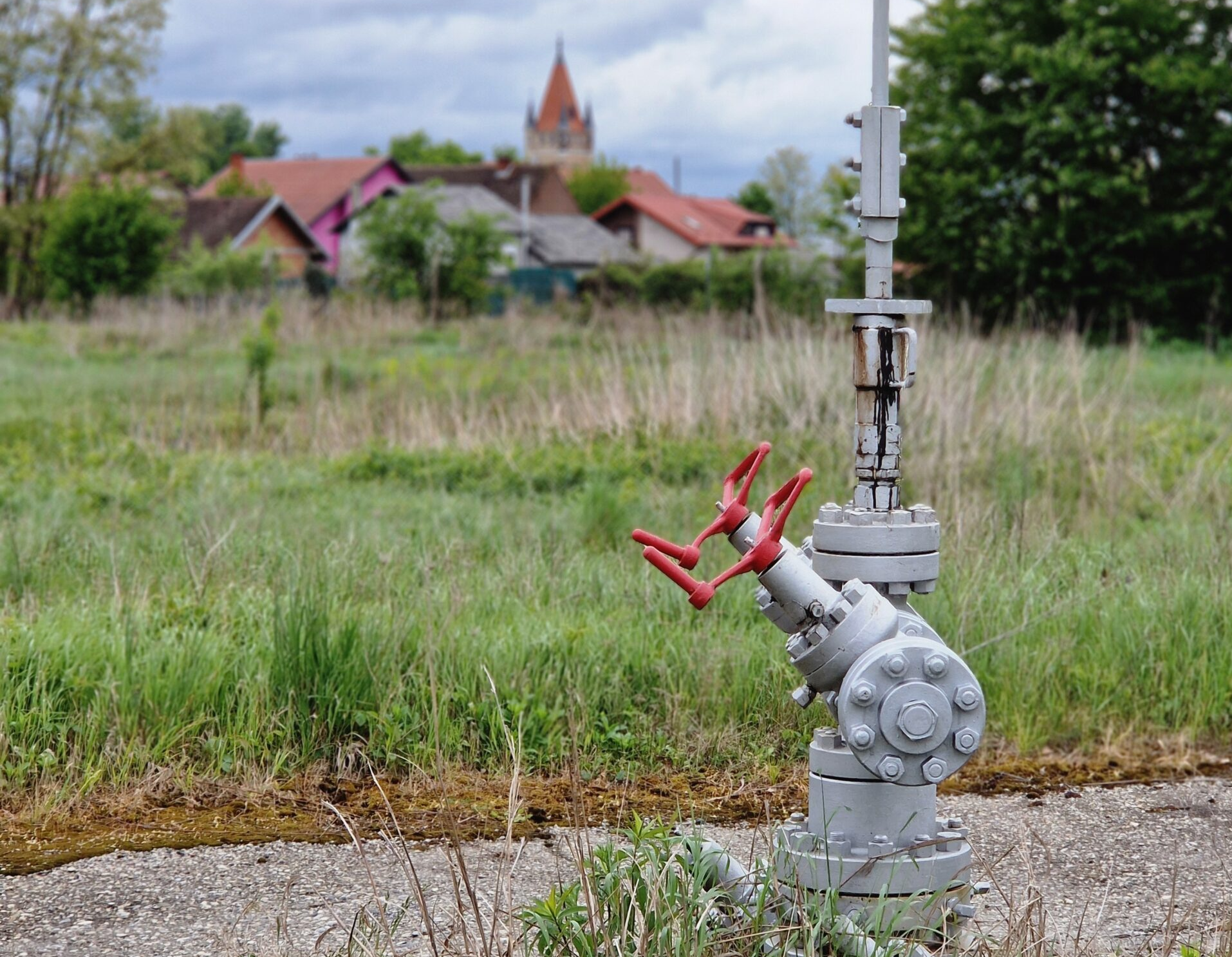
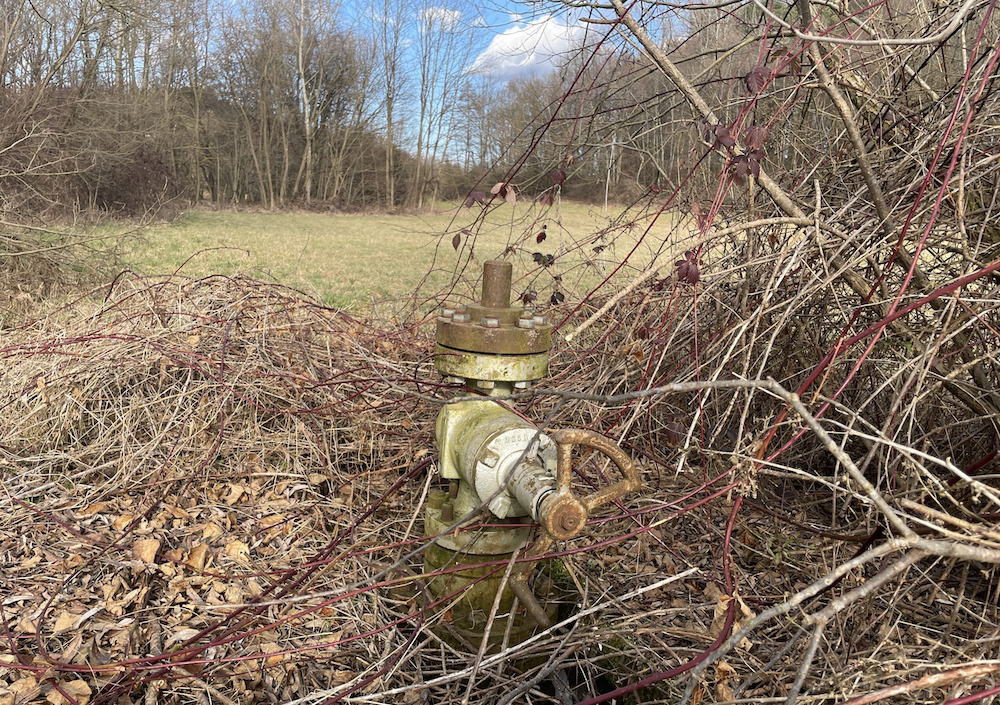
Tens of thousands of deep wells have been drilled and abandoned, even though they could form an existing energy infrastructure. New geothermal projects take significant amounts of time and resources, whereas these abandoned wells are assets waiting to be utilised.
“Over half of Europe’s heat production is still fossil-based. Meanwhile, the energy transition requires solutions that can be implemented quickly. Unused wells offer significant potential for clean heat production,” says Erika Salmenvaara, QHeat’s CEO.
The overlooked infrastructure checks two boxes at once: it combines scale and fast implementation potential in Europe’s energy transition, and offers a cost-efficient way to unlock new geothermal solutions. If strategically thought out, abandoned wells could transform into valuable drivers of a clean energy system and sustainable heating.
What happens when a deep well outlives its original purpose?
Most new geothermal projects share the same main cause of uncertainty, geological conditions. Wells have to be drilled before there’s definitive proof that the desired permeability or aquifer actually exists in the bedrock.
This is one of the key barriers to securing capital to grow geothermal heat production in Europe.
“If the geology doesn’t meet expectations, projects rarely meet expectations. Building a deep well requires significant amounts of capital, and if the well is left unused, this capital can be stranded,” sums up Valtteri Viitala, QHeat’s Commercial Development Lead.
For oil and gas operators, abandoned wells are environmental liabilities in the balance sheets.
Operators are mandated by authorities and regulation to plug an abandoned well with concrete to prevent any environmentally harmful leaks. Plugging and decommissioning a single well can cost hundreds of thousands of euros, even millions.
Existing deep wells could provide one of the fastest ways to expand geothermal heating without the need for new drilling.
The economics of turning untapped potential into valuable energy assets
However, failed geothermal projects do not necessarily mean failed geothermal potential.
“Repurposing wells for geothermal heat could offer operators a more economical alternative. Simultaneously, they’re able to turn a liability into a productive energy asset,” Viitala says.
Reutilising an existing well removes the largest single investment cost.
“Drilling alone takes up to half or even two-thirds of the investment for a new geothermal system,” Viitala explains. No extra drilling, no extra costs. Repurposing a well also decreases other project risks, such as delays or unforeseen technical complications.
The potential of utilising existing infrastructure is already being studied in practice. For example, the EU-funded TRANSGEO project applies geothermal technologies and workflows to existing hydrocarbon infrastructure and matches it with local energy demand and heating networks.
Tens thousands of abandoned oil and geothermal wells across Central Europe offer new opportunities for geothermal heat production and thermal energy storage. Source: TRANSGEO Well Assessment Tool.
A closed-loop technology opens new possibilities
Existing deep wells could provide one of the fastest ways to expand geothermal heating without the need for new drilling. Recent advances in coaxial, closed-loop well technology are making this possible.
“In our approach, heat is transferred into the system through the thermal conductivity of the surrounding rock, which makes the heat production very predictable," Salmenvaara says.
The approach is particularly relevant for existing wells located close to residential areas, industrial sites, greenhouses, or district heating networks, where they could support both geothermal heat production and seasonal thermal energy storage.
What needs to happen next?
Technological geothermal innovation can bring abandoned wells back to life and enable circular and scalable use of infrastructure.
“This approach can accelerate the energy transition, and we see a lot of potential for it in Central Europe, particularly in Germany,” Salmenvaara says.
For owners of abandoned wells, energy and heating companies, and public energy stakeholders, the first step would be to conduct a feasibility study. A clear assessment of geological conditions, existing well integrity, and proximity to heat demand would determine whether repurposing is viable.
“Converting unused infrastructure into sustainable heating is a cost-efficient way to support Europe’s energy transition,” Salmenvaara says.
Europe has spent decades investing in deep-well infrastructure. As the continent searches for ways to accelerate the energy transition, one of the most overlooked opportunities may already exist beneath our feet.
Interested in repurposing your geothermal assets? Contact QHeat to discuss opportunities, connect with experts, and explore the potential of existing deep wells.
.png)